If you earn tips at work, or you get paid extra for overtime hours, there is a new tax break with your name on it. It started with the 2025 tax year and runs through 2028. Millions of people used it for the first time this spring. If that was not you, you can still use it next spring — but you should keep records now.
The tips deduction
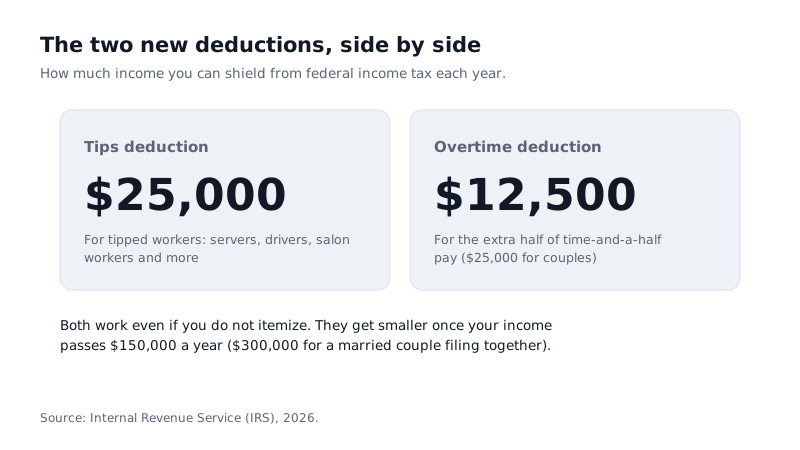
You can subtract up to $25,000 of tips per year from the income the IRS taxes. This is for jobs where tips are normal: servers, bartenders, hair stylists, nail techs, delivery and rideshare drivers, and many more. The tips must be voluntary — money customers chose to give you — and they must be reported (on your W-2, a 1099, or your own tip record).
The overtime deduction
You can also subtract up to $12,500 of overtime pay ($25,000 for a married couple filing together). One detail matters: the deduction covers the extra half of your "time-and-a-half" pay — the bonus part, not your whole overtime check.
The fine print, in plain words
- You do not need to itemize. The break works on top of the standard deduction. There is a new form for it — Schedule 1-A.
- There is an income limit. The break starts shrinking once your income passes $150,000 a year ($300,000 for couples).
- It is a deduction, not free money. It lowers the income you are taxed on. Example: $12,000 in tips at a 12% tax rate saves about $1,440.
- Payroll taxes still apply. Social Security and Medicare taxes still come out of tips and overtime.
What this means for you
- Keep a simple record of your tips and overtime for 2026 — a notebook or a phone note works.
- Make sure your employer reports your tips correctly on your pay stubs and W-2.
- When you file next spring, look for Schedule 1-A, or tell your tax preparer about both deductions.
Working extra hours or a side job? Check what your time really earns with Hourly to Salary or Side Income: Worth the Hours. To see your whole 2026 tax picture with these deductions included, try our Income Tax Calculator.
Where these facts come from: IRS — No tax on tips and overtime. Facts checked July 2026. Numbers can change after publication.