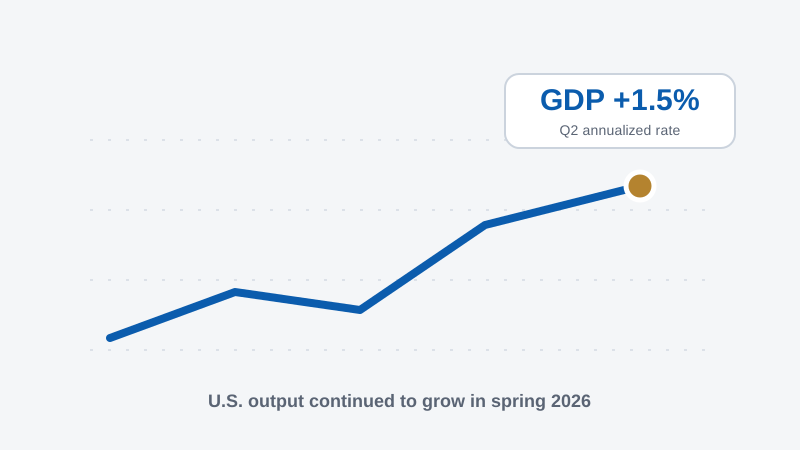
The U.S. economy grew at a 1.5% annual rate from April through June, according to the first official estimate. That was slower than the 2.1% pace in the first quarter.
The headline was softer partly because imports increased and government spending declined. A narrower measure of consumer spending plus private fixed investment grew 3.9%, suggesting household and business demand remained stronger than the headline alone.
What contributed to growth
- Consumer spending increased across both goods and services.
- Business investment rose, led by equipment and intellectual-property products.
- Exports increased, while higher imports reduced the GDP calculation.
Prices were still a pressure
The price index for gross domestic purchases increased at a 5.7% annual rate during the quarter. The figures are an advance estimate and are scheduled for revision on August 26.
What to watch personally
GDP does not decide an individual budget, but slower growth and elevated prices can affect hiring, rates, and raises. Test your own pay with the Real Raise calculator.
Source: U.S. Bureau of Economic Analysis - GDP, second quarter 2026 advance estimate. Released July 2026; checked August 2, 2026. Initial economic estimates can be revised.